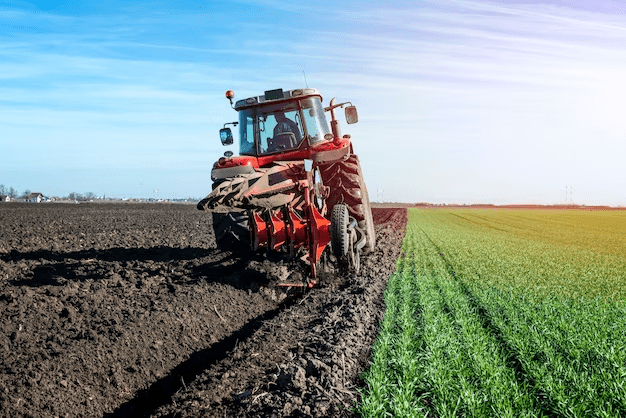
India has always been a land of farmers. For generations, our ancestors cultivated crops in harmony with nature — using cow-based inputs, compost, crop rotation, and respect for soil health. But over the past few decades, chemical-intensive farming has changed the landscape of Indian agriculture. While it increased yields temporarily, it has also led to declining soil fertility, chemical residues in food, water contamination, and rising health concerns.
Today, organic farming is no longer a trend — it is a necessity.
Healthy soil is living soil. Excessive use of chemical fertilizers and pesticides damages soil microorganisms, reduces fertility, and makes farmers dependent on synthetic inputs.
Organic farming restores:
In a country like India, where agriculture supports millions of families, soil regeneration is critical for future food security.
Chemical farming often traps farmers in cycles of:
Organic farming reduces dependency on costly chemicals and encourages:
It empowers farmers to return to traditional wisdom while improving income opportunities through premium markets.
Food safety has become a growing concern. Studies frequently report pesticide residues in vegetables, fruits, and spices.
Organic farming avoids synthetic pesticides and harmful chemicals, helping ensure:
For families today, choosing organic is choosing long-term health.
Chemical runoff contaminates rivers, groundwater, and ecosystems.
Organic farming:
In a climate-sensitive country like India, sustainable agriculture is essential to combat environmental degradation.
India is one of the leading producers of organic products globally. Demand for Indian organic spices, pulses, and oils is rising both domestically and internationally.
Consumers today are:
This shift presents a major opportunity for Indian farmers and ethical brands.
Organic farming is not something new for India. It is a return to our traditional farming heritage — where farming was done with respect for the land, animals, and future generations.
At ShuddhKrishi Organix, born in the pure hills of Himachal, we believe that honest farming creates honest food. Every product reflects our commitment to purity, soil health, and trust.
From our fields to your kitchen — naturally, responsibly, and sustainably.
Organic farming matters more than ever in India because it is about more than food —
It is about health, environment, farmer dignity, and the future of our nation.
Choosing organic today is investing in a healthier tomorrow.